About Brakes Coating Machine
Coating Machine for Brakes
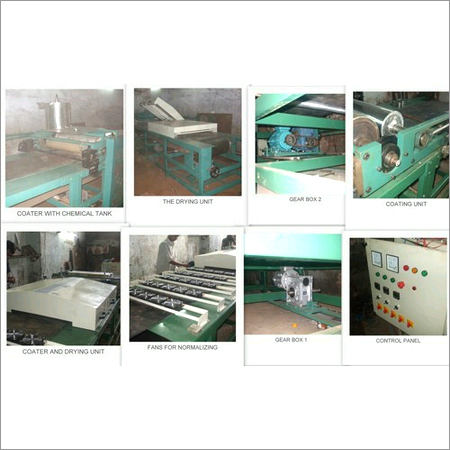
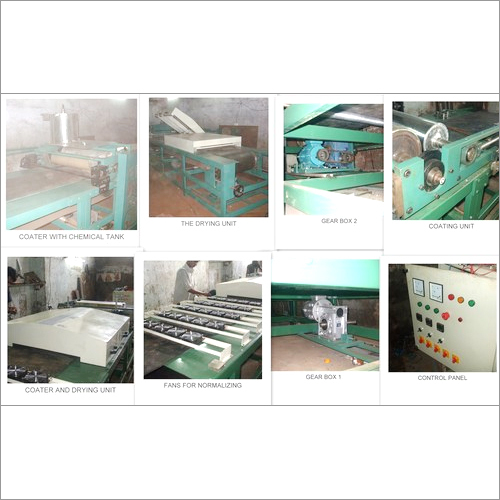
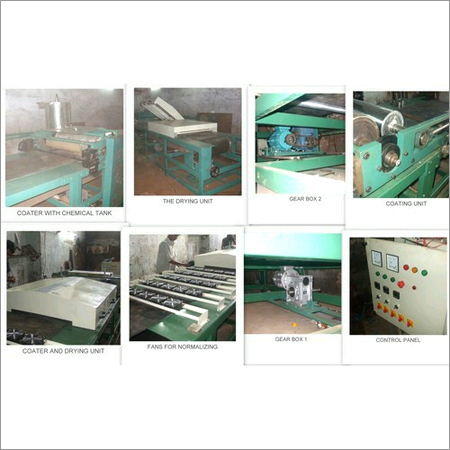
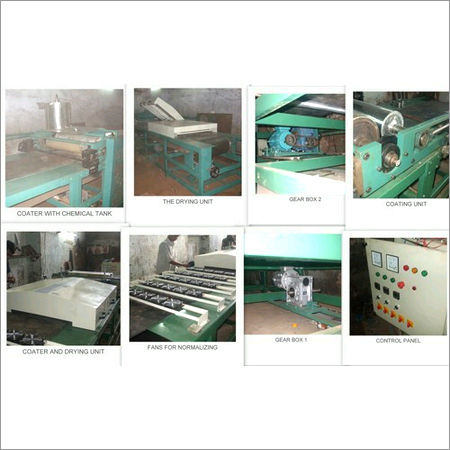
Backed with rich industrial experience and knowledge, we are regarded as the best manufacturers of Coating Machines for Brakes. These coating machines are basically used to coat ethanol and other types of chemicals on disc brakes. Other than brakes, our manufactured coating machines are also used to coat any type of stamping. Coating Machines for Brakes available with us have a very robust structure and used for bulk production in industries. We have integrated PID in the machine to control its temperature.
Features:
- Prolonged service life
- Rugged construction
- Convenient to operate
- Easy maintenance
- Cost effective
Advanced Precision and ControlEquipped with a state-of-the-art PLC control system and computerized interface, the Brakes Coating Machine allows for accurate adjustments and consistent process monitoring. Operators can fine-tune temperature, speed, and stamping parameters to ensure flawless coating and finish for each brake component produced.
Designed for Efficiency and DurabilityConstructed from durable mild steel and featuring stainless steel contact parts, the machine withstands rigorous production demands while maintaining high corrosion resistance. Its energy-efficient heating system consumes just 8 kW of power, promising cost savings without compromising output or quality.
High Output and Versatile OperationWith a capacity to process 1200 brake components per day and a stamping speed of 20 cycles per minute, the machine is built for high-volume operations. Adjustable temperature up to 180C and a generous plate size enable it to handle a diverse range of brake part specifications, making it suitable for various automotive manufacturing needs.
FAQs of Brakes Coating Machine:
Q: How does the Brakes Coating Machine operate during the coating process?
A: The Brakes Coating Machine operates using a PLC-controlled system that automates the coating and finishing process. Components are placed on its flat plate, then subjected to precise stamping at temperatures up to 180C. This provides uniform coating and high-paced production with minimal operator intervention.
Q: What are the main benefits of using this machine for coating brake components?
A: This machine offers high-precision coating, energy efficiency, and robust durability through its mild steel body and stainless steel contact parts. Its computerized controls enhance consistency and quality, while its fast cycle rate boosts daily productivity for brake part manufacturers and suppliers.
Q: When is this machine best utilized in the production line?
A: The Brakes Coating Machine is ideally used after the initial fabrication of brake components, during the finishing stage. It provides the final coating needed for corrosion resistance and improved part performance before assembly or shipment.
Q: Where is this machine typically installed and utilized?
A: This machine is commonly installed in automotive manufacturing plants across India, particularly by exporters, manufacturers, service providers, and suppliers specializing in brake components for vehicles.
Q: What is the typical process for coating brake parts with this machine?
A: To coat parts, operators place the brake components onto the 250x350 mm stamping plate. The machine then heats to the required temperature (up to 180C), applies stamping force of up to 5 tons, and completes cycles at 20 pieces per minute, ensuring uniform coating and consistent quality.
Q: How does the machine ensure energy efficiency and safety during operation?
A: The Brakes Coating Machine utilizes an 8 kW power supply with a 6 kW heating system, balancing performance with minimized energy usage. Its construction and automated controls provide enhanced operator safety and reduce risks associated with manual coating processes.
Q: What materials are used in the construction of the Brakes Coating Machine?
A: The machines body is made from mild steel for structural strength, while all contact parts are crafted from stainless steel to ensure corrosion resistance and maintain hygiene in the coating process.
 Call Us : 08045478429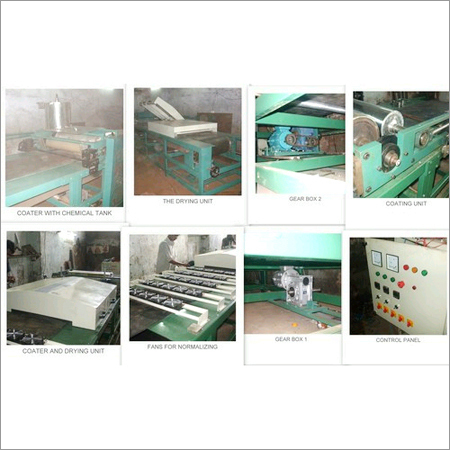






 Send Inquiry

 Send Inquiry

 Send Inquiry
 Send SMS